What to Do If You Can’t Get Parking for the Moving Truck
There’s a moment on moving day when everything is lined up, boxes are taped, furniture is wrapped, crew is on the way, and then the parking reality hits. No driveway. Curb taken by neighbors. Alley too tight. The truck is circling and your stomach drops. As a mover, I’ve seen this more times than I can count. Whether you live in a dense apartment complex in Marysville or a cul-de-sac with overflow parking, truck placement can make or break the day. The good news is that you have more options than you think, and most of them hinge on timing, communication, and a few low-cost tools.
This guide walks through the playbook we use when curb space disappears, along with workarounds that keep the schedule moving without beating up your back or the building. It also covers how to prepare for tricky load zones on the front end so you’re not solving everything under pressure.
Why parking matters more than it seems
Moving crews measure distance differently than a map does. Fifty feet of flat sidewalk with a straight shot to the truck is not the same as fifty feet broken by stairs, speed bumps, and two turns through a lobby. Every added turn, curb, step, or slope changes the pace, the fatigue, and the risk. When the truck can’t get close, you’re essentially running a shuttle operation, which adds time to the bill and strain to the crew. Planning for that shift, even by a modest margin, protects your schedule, your budget, and your furniture.
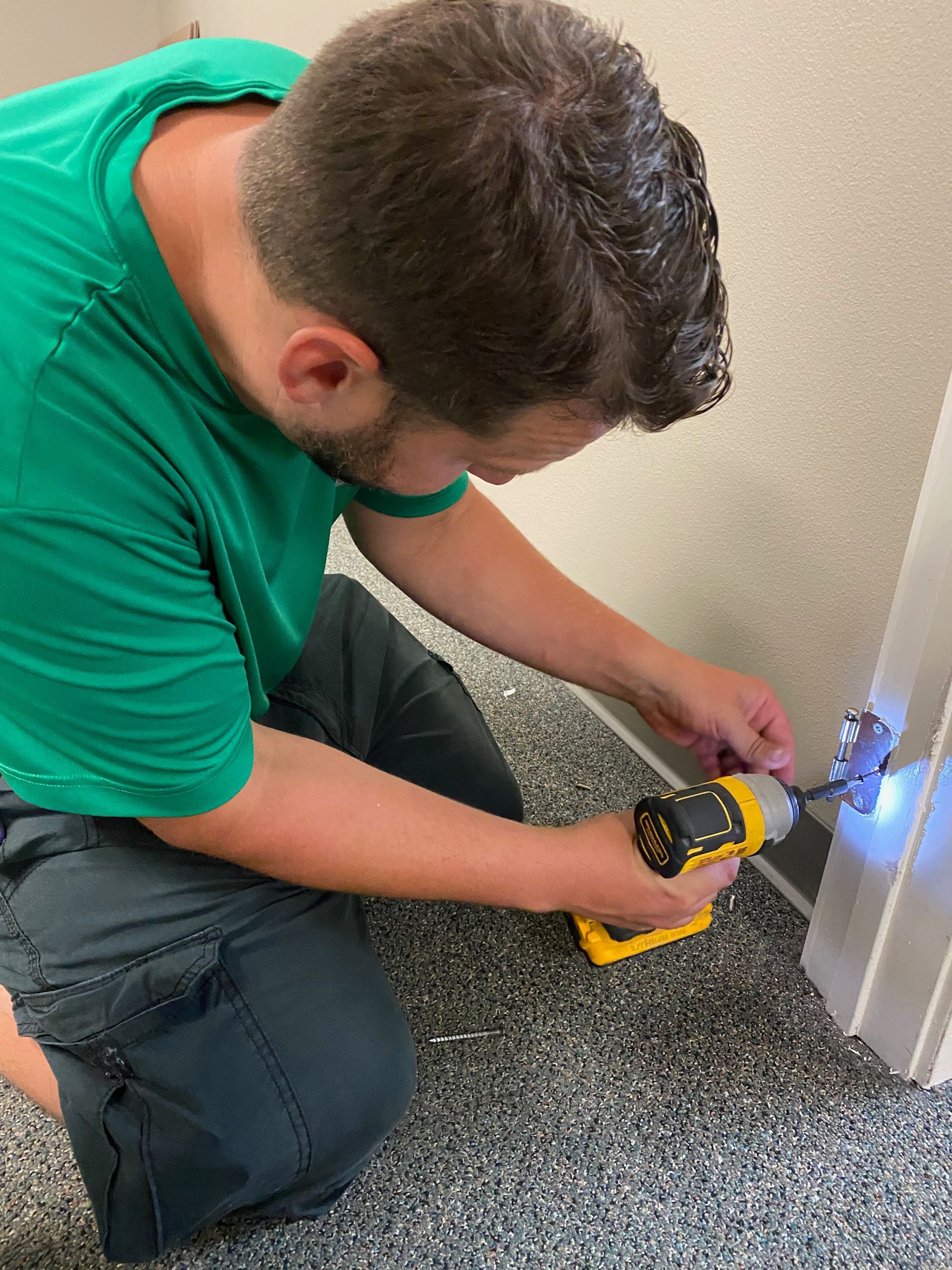
I once worked a second-floor apartment in North Marysville where a street closure pushed us two blocks away without warning. We turned a 3-hour load into a 5-hour push, but it stayed safe and organized because the client had dollies ready, an elevator window booked, and a quick permission note from the property manager to stage in the lobby. Those small bits of prep shaved minutes off every trip.
First, clarify what “no parking” actually means
“No parking” can mean a few different things and the fix depends on the details. Sometimes it’s a city sign, sometimes it’s a neighbor’s RV anchored for the weekend, and sometimes it’s the angle of the curb that makes a 26-foot truck physically impossible to fit. Before you throw out Plan A, walk the block with your phone and take pictures. Notice the direction of traffic, any red or yellow curb paint, hydrants, driveways, loading zones, or bus stops. If you’re in a complex, look for fire lanes, tow signs, guest spaces, and loading docks.
If it’s truly illegal to stop, you need a different approach. If it’s simply tight or awkward, you might be able to stage safely and legally while keeping the crew within sight of the door. The difference matters.
The fastest same-day fixes when the truck can’t park
This is the part most people want right away: what do you do if the crew is already there and you have nowhere to put the truck. These are the moves, ranked by speed of implementation.
- Ask the driver to stage in the nearest legal curb slot, even if it’s half a block away, and pivot to a “shuttle load” with dollies and speedpacks. Keep a runner stationed at the entrance to guide traffic and hold doors. Create a temporary load zone with cones and high-visibility tape while someone knocks on doors to negotiate a spot. Make it obvious where the truck needs to go, and be ready to swing it in the instant a space opens. Use a smaller vehicle as a bridge. If a neighbor or friend has a pickup or cargo van, shuttle high-value or awkward items while the crew builds a tight wall in the truck. Prioritize appliances, TVs, and glass while the window is open. If stairs, distance, or hallways are the bottleneck, move everything into the closest possible staging area first. A building lobby, covered breezeway, or garage can absorb the load while the truck waits. Call property management or the city’s non-emergency line for short-term permission. You won’t always get it, but when the ask is modest and the crew is clearly operating safely, you’d be surprised how often a 30-minute window appears.
That’s your first list. Keep reading for the long-range planning that avoids needing it.
Long-range parking strategies that actually work
The best days start weeks before with a simple site plan. For detached homes, check curb width, turning radius, and overhanging branches. For townhomes, note the slope and proximity to driveways. For apartments and condos, find out what the building expects on move day, because many properties require reservations for elevators and loading zones.
A meaningful prep call with your mover should include parking. We ask about truck access when we book, then again the week before, because what looked fine in April might be a street fair in June. If your mover doesn’t bring this up, you should.
Reserve time windows like you reserve a truck
Elevator reservations, loading dock windows, and office staffing hours matter. Many buildings in the North Seattle metro area restrict move-ins to weekdays, 9 to 4, to keep weekends quiet. Others require a fee, proof of insurance, or a certificate of insurance with the building named. Treat these logistics with the same priority as your move date. Missing one can trigger a cascade where the truck is on site but can’t legally load or unload.
In Marysville and nearby cities, street permits for moving trucks are less standardized than in downtown Seattle, but event closures, utility work, and school schedules still affect access. If travel on I-5 is part of your route, set your departure to miss the usual choke points north of Seattle. Those timing tips are more than traffic trivia. A crew that hits smooth flow can arrive earlier and park with more options.
A Perfect Mover Moving and Storage Service: what we do when parking disappears
When we roll up and the curb is gone, we shift to a shuttle mentality. The crew lead maps a shortest-possible path from door to truck and divides the team into loaders and runners. Runners keep hands on dollies and speedpacks, loaders stay in the truck to build a stable pack without interruption. This division preserves energy and precision. We also break out curb ramps and neoprene floor runners to protect thresholds and hall surfaces during extra trips.
If you’re doing part of the move yourself, mirror that pattern. Assign one person to doors and elevators, one to keep the path clear, and two to move items. Disorganization is what kills you when distance expands.
How to load from a distance without breaking pace
When the gap from door to truck stretches, the usual move flow shifts. The goal becomes maintaining a constant stream of items at the truck so the loaders can stack tight rows without waiting. That means building “waves” inside the home or unit.
Start with everything that can be boxed and stacked. Loose items are the enemy of distance. Strap boxes onto an appliance dolly or stack boxes on a flat dolly with a mover’s strap. Wrap furniture inside the home so it’s protected before the long haul starts. Protecting hardwood floors during this stretch is non-negotiable. Lay runners, tape corners down, and skip loose tarps that wrinkle under dollies.
It’s tempting to push heavy dressers early, but if you don’t have a clear path yet, you’ll burn the crew out. Stage lighter items first to warm up the route, then bring in the weight with the biggest dollies you have. Keep a towel in your pocket for rain on handrails and a small pry bar for thresholds that catch dolly wheels. Those seconds matter when multiplied by 50 trips.
Apartment and condo realities: stairs, elevators, and tight hallways
Apartment moving in Marysville brings its own geometry. Stairs with tight landings require a different carry posture, especially for sofas and tall dressers. Use shoulder straps only if both carriers know how to pivot mid-flight and you have a clear sightline to the landing. On days with poor parking, people rush. That’s when drywall corners and stair spindles take hits. Slow the turns, not the steps.
Elevator reservations are a gift. When you have one, guard it. Post someone at the door to prevent hijacks by neighbors, and keep the car loaded every trip. If your elevator is small, switch to smaller carts that fit with two people. It’s better to move more trips at speed than to jam a cart that scrapes every swipe. If the building has move-in windows and a loading dock, stick to those rules. Lobbies and fire lanes feel like shortcuts until a property manager appears with a tow number.
When a storage plan saves you time and money
Sometimes the right answer is to split the job. If parking is impossible at your destination, consider moving everything into storage first, then delivering on a day when the building has space and an elevator slot. I’ve had clients in Snohomish County save hours by parking at a storage facility where truck access is guaranteed, offloading quickly, and scheduling a second, surgical delivery later. This can also solve long-distance timing issues when seattle movers and storage aperfectmover.com your new home isn’t ready. The key is using solid labeling and an inventory so you can find what you need during the gap.
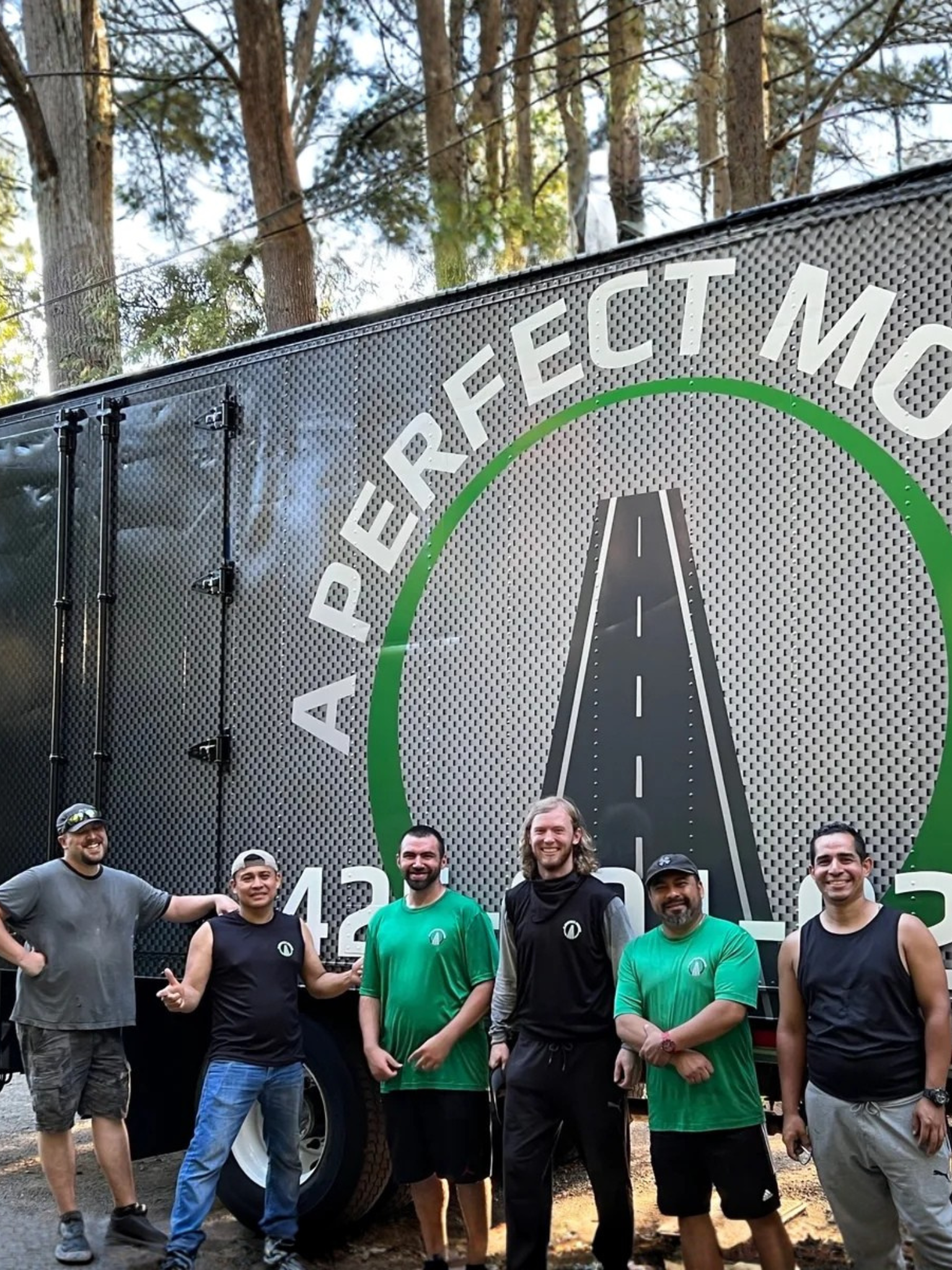
For local moves, a 5x10 unit often holds a small 1-bedroom if packed high and tight, a 10x10 covers most 2-bedroom apartments, and a 10x20 absorbs an average 3-bedroom home. Moisture control matters in the Pacific Northwest, so air out items before storage and use desiccant buckets for longer stays.
The ethics and risks of “just blocking a lane”
I’ve had clients suggest parking with hazards on and accepting a honk or two. It’s understandable in a pinch, but it’s not safe or legal if you’re in a travel lane, near a crosswalk, or within the buffer of a hydrant or fire lane. Beyond tickets, you expose the crew and your neighbors to risk. If your street is wide enough and you can stay fully within legal parking limits, you’re fine. If not, look for a side street around the corner and adjust your route. The work is slower. It’s still better than an accident or a citation that stops the move outright.
Local notes: Marysville and the North Seattle metro
Common local moving problems in Marysville often involve seasonal street work and neighborhood events that eat up curb space without much notice. August brings more DIY moves, which means more trucks in multifamily lots. Saturdays are competitive for parking in townhouse communities because garages double as storage and guest spaces fill early. If your HOA has rules about moving hours, ask them specifically about truck placement and staging, not just noise.
Traffic on I-5 complicates timing. If your move requires crossing the corridor, avoid peak southbound in the morning and northbound in the afternoon. A late-morning start or a tight 8 a.m. arrival can mean the difference between a prime curb slot and a loop around the block while someone else slides in. This is where weekday moves sometimes win. Weekend moves vs weekday moves in Marysville aren’t just about your schedule. They change parking behavior around homes and complexes.
Gear that makes distance manageable
People think of dollies, but they often forget about the connectors. Ratchet straps, simple cam straps, and shrink wrap keep stacks stable on rough sidewalks. A curb ramp solves more headaches than it costs, especially for heavy appliances that need a smooth roll. Neoprene runners stick to floors in wet weather and reduce slips. Wide-strap shoulder harnesses are helpful on stairs if you have trained carriers and clear landings, but they slow you down if you’re learning under load.
If you’re expecting rain, wrap sofas and mattresses in plastic before they leave the home. That protects against road grime when the route includes puddles or a parked truck under tree drip. TVs and monitors should ride in proper boxes or rigid sleeves. It’s hard to protect a TV when you’re pushing a cart down a sidewalk with a cross breeze and a lip at every driveway.
How to coordinate with neighbors without friction
On good streets, neighbors will help if you respect their time and space. A polite note two days in advance placed on nearby cars helps more than people expect. Keep it short, specific, and appreciative. Mention the date, time window, house number, and the fact that you’ll clear the space as soon as the truck is parked. If you catch someone in person, ask if you can text them when you’re 20 minutes out so they can move their car without waiting around.
For apartment lots, talk to the property office about temporary cones or a reserved guest space near the entrance. Many buildings will do this if they know you’re using insured movers and honoring elevator windows. If your complex allows no parking holds at all, consider an early crew arrival with one car to hold curb space until the truck arrives. It’s a small courtesy that prevents a scramble.
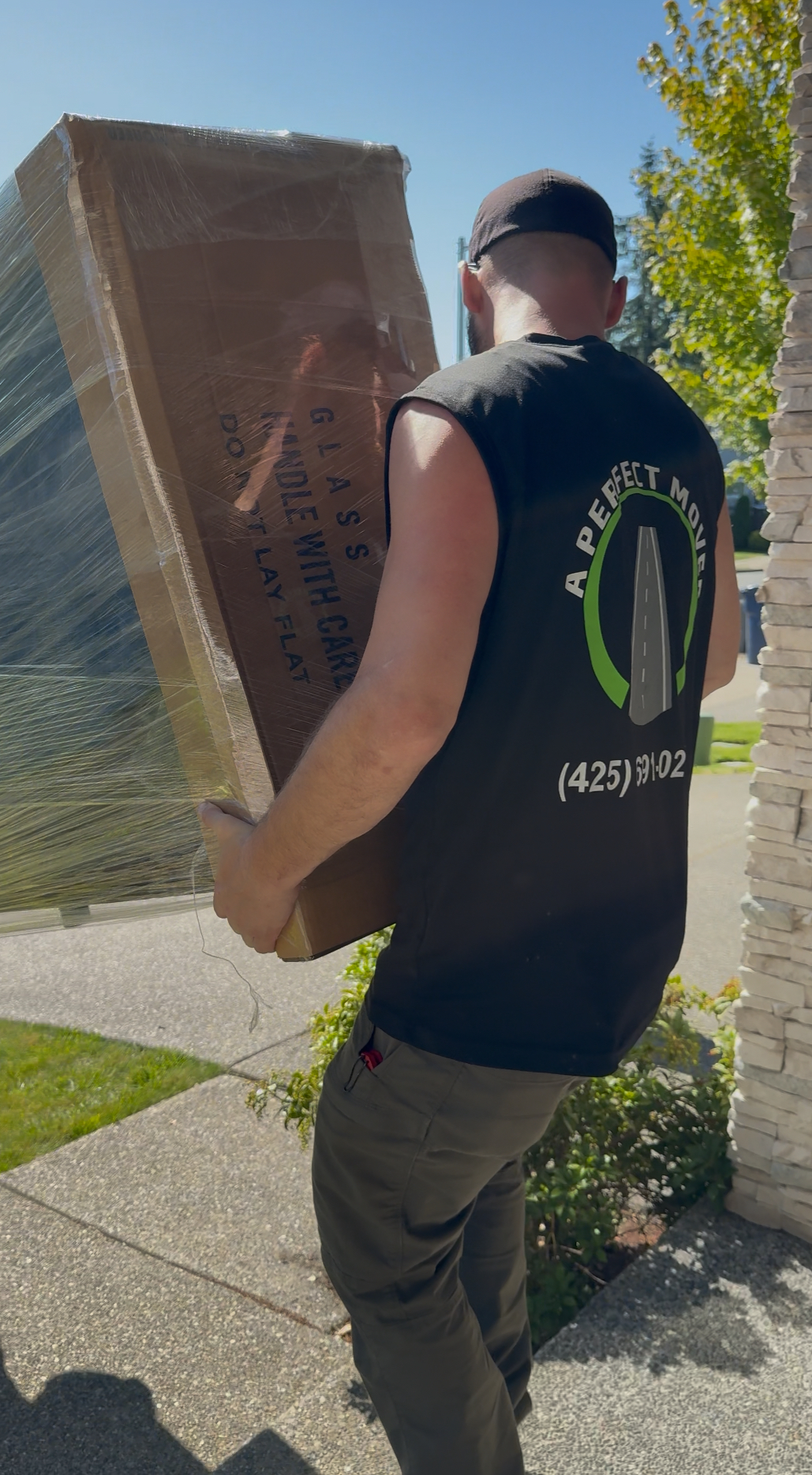
A Perfect Mover Moving and Storage Service: case notes from the field
One Marysville townhouse community we serve has a zigzagged internal road with narrow pullouts. The HOA bans truck parking in front of units, so we stage at the clubhouse and run a shuttle. We prep by walking the route, padding every corner that rubs, and using two flat dollies per pathway so the runner never returns empty. The lead stays at the truck building tiers while the second-in-charge runs the floor inside. It reads like overkill until you watch an 8-hour move finish in six because flow beats brute force every time.
At another condo near North Seattle, the loading dock was available, but only for two hours. We built a two-phase plan: phase one staged everything in the garage near the dock within the building’s rules, phase two loaded the truck during the dock window. When the garage fills with your stuff, a passerby might worry, so we signed the staging zone with unit numbers and kept one crew member stationed there continuously. Clear communication keeps security tension down.
When to pivot to a different truck size
If you know your destination has tight access, an honest talk about truck size helps. Two smaller trucks can sometimes do better than one large truck, especially in older neighborhoods. The tradeoff is crew coordination and a touch more drive time. If the move is local and the load is compact, you might even split loads by room or floor to make unloading easier and quicker at a tricky curb.
For long-distance moves with delivery windows, ask your mover whether a shuttle is planned at destination. Long trailers often can’t get close to urban buildings, so a smaller box truck transfers the shipment. That adds cost, but it’s safer for your furniture and for the street. Knowing this in advance changes how you pack and label. Heavier, sturdier items go low and early. Fragile and odd-shaped items get extra protection because they’ll be handled twice.
Two short checklists to keep on your fridge
Here are the two high-signal, low-effort checklists that prevent most parking blowups.
- Two weeks out: Walk the curb and measure the clear space. Confirm elevator and loading dock reservations. Ask the office or HOA about cones or temporary holds. Check for posted street work. Photograph signs. Two days out: Place polite notes on nearby cars. Text neighbors if you have their numbers. Stage gear by the door: cones, tape, runners, straps, dolly, curb ramp. Confirm crew ETA and route timing.
Safety first when distance stretches
Moving day safety rests on pace control. When the carry path is long, people naturally speed up to make time. That’s when slips happen on wet steps or someone cuts a corner too tight and grazes a doorjamb. For stairs, count the steps out loud at first to sync your rhythm with your partner. For long sidewalks, switch carriers every 20 minutes to reset grip strength. Keep water close, take micro breaks to stretch forearms, and pull any runner who starts to hunch. You can’t outmuscle physics when you’re tired.
In rain, tape runners at edges and mop up puddles at thresholds. Wipe rails periodically. Use gloves with grip, not slick fabric. For heavy appliances, build the route first, not during the carry. If a threshold catches your dolly, set the item down and adjust. Don’t bounce it. Bouncing torques the internals on washers and fridges and blows seals you won’t notice until later.
What to do when the destination is the problem
Everything above applies at origin and destination, but destination adds new wrinkles. You may have keys but not control of the building. Move-in windows can be tight. If you can’t park at the new place, ask whether there is a temporary retail or office lot nearby you can use for 30 minutes with permission. Sometimes a grocery store manager will say yes if you stay out of customer lanes and assign a watcher. Be courteous, get a name, stick to the time, and clean up any debris.
If nothing is available, stage inside your unit or garage first. Get the truck unloaded so you’re not sitting on an idle asset. Then move from staging into rooms at a steadier pace. This might feel like double work. It isn’t if the alternative is paying for a truck to sit while people argue about a van blocking the only curb slot.
Communication beats muscle
A short briefing at the start saves an hour later. Walk the path with the crew lead, point out fragile corners, soft soil, narrow gates, and noise-sensitive neighbors. Decide where to stack boxes by room, and tape a simple placement map to the door. Label boxes clearly so the truck loaders can front-load and the unload goes faster even if the parking situation at the destination is a surprise.
If you’re managing your own helpers, set roles. One person runs communication, one handles doors and elevator, the rest move. Rotate jobs every hour. Small structures protect the crew from the chaos that long carries invite.
When to reschedule
Sometimes the honest answer is to move the move. If a storm is blowing sideways, the city has equipment on your block, the elevator is out, and three neighbors are hosting yard sales, your risk is sky high. Ask your mover what the reschedule fee is, then compare it to the extra hours and the chance of damage in the current conditions. A half-day delay can save a sofa and a security deposit. If you do reschedule, use the window to solve the parking plan. Knock on doors early, secure written permission for a temporary zone, and confirm with building staff.
Final thoughts from the field
Parking problems are stressful because they’re public. Your move becomes a street event while the truck idles and the clock ticks. The antidote is a quiet, methodical plan that treats distance as a solvable math problem. Tools extend your reach, staging absorbs surprises, and calm coordination replaces panic.
I’ve watched families pull this off gracefully. The common thread is always the same: they looked at the curb like a workspace, not a given. They scouted, asked, reserved, staged, and adapted. If the truck doesn’t land at your door on the dot, you haven’t failed. You just shifted to a longer runway.
How A Perfect Mover Moving and Storage Service prepares you for tight parking days
We build parking into every estimate discussion because it affects crew size, timing, and cost more than any other single factor. When a client flags limited access at either end, we plan gear accordingly: extra dollies, curb ramps, more runners, and heavier protection for high-traffic thresholds. We also offer guidance on storage splits when that saves time, especially for local moves where a 10x10 unit can be the pressure valve between a hard stop and a clean load.
Our crews know Marysville apartment layouts, the pattern of HOA rules in nearby communities, and how North Seattle condo docks operate. That local pattern recognition shortens the learning curve on move day. If the curb isn’t available when we arrive, the team doesn’t stare at the problem. They start building flow.
A short note on estimating and transparency
Parking influences your quote. When you share honest details about stairs, distance, elevator access, and curb constraints, your mover can quote more accurately. Video walk-throughs help because we can spot issues like a tight turn at the end of a hallway or a slope on a driveway the tape measure missed. A Perfect Mover Moving and Storage Service treats these details as planning inputs, not gotchas. We’d rather plan a 5-hour move that finishes in four than quote three and deliver six. That mindset comes from years of pushing dollies farther than we hoped to.
If you remember only one thing
The truck doesn’t move the job. The path does. When the parking slot isn’t there, build the path, keep it safe, and feed the truck with steady, labeled, protected loads. That’s how you turn a curb problem into a manageable day.